Navigating the modern gaming landscape requires understanding the core differences between platforms. This comprehensive guide explores why desktops consistently outperform gaming laptops, offering superior power, unparalleled upgradeability, and more effective thermal management. Discover the true potential of dedicated gaming machines, delve into cost-effectiveness over time, and learn about the customization options that empower enthusiasts to tailor their experience. We will dissect the architectural advantages that make desktops the preferred choice for serious gamers seeking peak performance and longevity. Explore critical insights on component selection, future-proofing your rig, and maximizing your gaming investment in 2024 and beyond. This article is a must-read for anyone considering a new gaming setup.
In 2026, PC gaming continues its rapid evolution, with advancements in GPU architecture, AI-driven upscaling, and increasingly immersive virtual realities pushing hardware boundaries. As enthusiasts seek the ultimate gaming experience, a perennial question resurfaces: are desktops better for gaming? The answer, for most performance-oriented gamers, remains a resounding yes. Desktops offer a combination of raw power, upgradeability, and thermal efficiency that mobile platforms struggle to match. This comprehensive FAQ-style article will dissect the core reasons behind this preference, providing insights into why a desktop PC is often the superior choice for serious gaming, covering topics like performance, cost, and future-proofing. We will address key questions such as: What makes desktops outperform laptops? How easy is it to upgrade a gaming desktop? And what hardware should you consider for 2026 gaming?
Why are desktops generally preferred for gaming performance?
Desktops are preferred for gaming performance primarily because they can accommodate full-sized, higher-wattage components like GPUs and CPUs that operate without thermal or power constraints. This allows for superior clock speeds and processing capabilities, directly translating to higher frame rates and more detailed graphics in games. Laptops, due to their compact nature, must use mobile versions of these components, which are often scaled down in power.
Desktop GPUs and CPUs can consume significantly more power than their mobile equivalents, leading to substantial performance advantages. For instance, a desktop-grade RTX 4080 offers substantially more processing units and memory bandwidth than its laptop counterpart, resulting in a 20-30% performance delta in many titles at 1440p and 4K resolutions. This allows desktops to drive high-refresh-rate monitors more consistently and handle demanding ray tracing effects with greater ease.
What are the key advantages of a gaming desktop over a laptop?
Key advantages of gaming desktops include superior performance, greater upgradeability, more effective cooling, and enhanced customization. Desktops provide uncompromised power, allowing for higher frame rates and better graphics. Their modular design facilitates easy component upgrades, extending system lifespan. Robust cooling systems prevent thermal throttling, ensuring stable, sustained performance, unlike laptops prone to heat-induced slowdowns. Customization options for peripherals and displays further tailor the gaming experience.
Beyond raw power, the ability to select specific components for your build means you can fine-tune your system for specific games or workloads. Want to switch from a high-refresh-rate 1080p monitor to a stunning 4K OLED? A desktop can handle it with a GPU upgrade. Need more storage for your growing game library? Add another NVMe SSD. These are luxuries often unavailable or very limited on gaming laptops.
Can I upgrade a gaming desktop easily?
Yes, upgrading a gaming desktop is generally very easy and a major selling point. Components like RAM, storage (SSDs, HDDs), and graphics cards can typically be swapped out with minimal technical knowledge and basic tools. CPU upgrades might require more attention to compatibility and cooler reinstallation, but are still well within the capabilities of most DIY enthusiasts.
The standardized nature of PC components means that most upgrades involve simply opening the case, removing the old part, and inserting the new one. This modularity not only makes upgrades simple but also cost-effective, allowing you to gradually improve your system over time without needing to buy a completely new machine every few years. For instance, upgrading a GPU from an RTX 3070 to an RTX 4070 Ti can yield significant performance gains for a fraction of the cost of a new high-end gaming laptop.
How do cooling solutions differ in desktops vs. laptops?
Cooling solutions in desktops are vastly superior to those in laptops. Desktops have ample space for large heatsinks, multiple high-airflow fans, and advanced liquid cooling systems (AIOs or custom loops) for CPUs and even GPUs. This robust cooling dissipates heat efficiently, maintaining optimal component temperatures even under heavy load, preventing thermal throttling. Laptops, constrained by their slim designs, rely on smaller fans and less effective heat pipes, often leading to significant performance degradation during extended gaming sessions as components overheat.
The surface area for heat dissipation in a desktop case, coupled with dedicated intake and exhaust fans, creates a dynamic airflow that keeps internal temperatures much lower. This is critical for maintaining boost clocks on CPUs and GPUs, ensuring consistent maximum performance. In contrast, a gaming laptop often struggles to keep its integrated components cool, especially the CPU and GPU, which are packed tightly together, leading to higher noise levels and reduced lifespan for some components.
Are desktops more cost-effective for long-term gaming?
Desktops are generally more cost-effective for long-term gaming due to their upgradeability. While initial costs can be similar to high-end laptops, the ability to upgrade individual components (GPU, RAM, storage) means you don't need to replace the entire system every few years to stay current. This modularity allows for staggered investments, spreading costs over a longer period and ultimately saving money.
Consider a scenario where you buy a gaming desktop for $1800 and upgrade its GPU for $700 after three years. Your total investment over six years is $2500. A comparable gaming laptop, however, might need to be replaced entirely after three years for $1800-$2000, leading to a total cost of $3600-$4000 over six years. The long-term value proposition heavily favors desktops.
What hardware should I prioritize for a 2026 gaming desktop?
For a 2026 gaming desktop, prioritize a powerful, current-generation GPU like NVIDIA's RTX 50-series (or AMD's RDNA 4 equivalent) for superior ray tracing and AI upscaling. Pair it with a multi-core CPU (e.g., Intel Core Ultra or AMD Ryzen 8000 series) to avoid bottlenecks. Ensure you have at least 32GB of DDR5 or DDR6 RAM and a fast PCIe Gen 5 NVMe SSD for rapid loading times and system responsiveness. A robust power supply unit (PSU) and effective cooling are also critical for stability and longevity.
What about portability? Is that a major drawback?
Portability is the primary and undeniable drawback of gaming desktops. Unlike laptops, desktops are designed to be stationary and require a dedicated setup including a monitor, keyboard, and mouse. They are not suitable for gaming on the go or frequent travel. If mobility is a crucial requirement for your gaming habits, a desktop might not be the ideal choice, despite its performance advantages.
Can a gaming laptop ever outperform a desktop?
A gaming laptop can sometimes outperform a very low-end or outdated desktop, but it will almost never outperform a desktop built with comparable generation and tier components. Even the most powerful gaming laptops use mobile-constrained hardware. A mid-range desktop from the current generation will typically outmuscle a high-end laptop from the same generation. However, for specialized scenarios, like a desktop from five years ago vs. a top-tier laptop today, the laptop could win.
What are the benefits of building a custom gaming PC?
Building a custom gaming PC offers numerous benefits: complete control over component selection to match your budget and performance needs, potentially lower costs compared to pre-builts (by choosing sales and optimizing parts), and the satisfaction of creating your own machine. It also provides a deeper understanding of PC hardware, simplifying future upgrades and troubleshooting.
How does power consumption compare?
Gaming desktops generally consume significantly more power than gaming laptops, especially under full load. A high-end desktop gaming rig with a powerful GPU and CPU can draw 500-800 watts or more from the wall, while a high-performance gaming laptop typically peaks around 200-300 watts. This higher power draw contributes to the desktop's superior performance but also means higher electricity bills and requires a robust power supply unit.
What display options are best for desktop gaming?
The best display options for desktop gaming depend on your preferences and hardware. High-refresh-rate monitors (144Hz+) are crucial for competitive gaming, while 4K monitors offer stunning visual fidelity for single-player titles. Ultrawide monitors provide immersive panoramic views. OLED displays deliver unparalleled contrast and color accuracy. With a desktop, you have the flexibility to choose any of these, even setting up multi-monitor configurations for productivity or extended gameplay.
Are pre-built gaming desktops a good value?
Pre-built gaming desktops can offer good value, especially during sales or for those uncomfortable with building. They come with warranties and professional assembly. However, they sometimes include proprietary parts or bloatware, and component choices might not be optimized for price-to-performance. Building your own often yields better value and greater customization for the same budget, but pre-builts are a convenient option for many.
Hardware Recommendations for 2026 Standards
For optimal 2026 gaming, focus on cutting-edge components. Look for NVIDIA's next-gen 50-series GPUs (e.g., RTX 5080/5090) or AMD's RDNA 4 (e.g., RX 8900 XTX) for unparalleled graphical power. Pair these with Intel's Core Ultra 200 series or AMD's Ryzen 8000/9000 CPUs, ensuring strong single-core and multi-core performance. RAM should be at least 32GB of fast DDR5/DDR6, with 64GB becoming ideal for future-proofing. For storage, a 2TB PCIe Gen 5 NVMe SSD is essential for operating system and primary game installations, supplemented by a larger SATA SSD or HDD for bulk storage. A high-quality 850W-1000W 80 Plus Gold PSU will provide stable power, and a 360mm AIO liquid cooler or high-end air cooler is necessary to manage CPU temperatures. These components will ensure you are ready for 4K gaming and beyond.
Troubleshooting and Optimization Tips
To keep your gaming desktop running smoothly: regularly update your GPU drivers, clean dust from fans and heatsinks every few months, and ensure your operating system is up to date. Monitor your temperatures using software like HWMonitor. For performance optimization, adjust in-game settings; often reducing shadows or anti-aliasing can provide significant FPS boosts without major visual compromises. Close unnecessary background applications and consider overclocking your CPU/GPU conservatively if you have adequate cooling and experience. Always ensure sufficient airflow within your case by managing cables effectively.
Future Outlook for Gaming Desktops
The future of gaming desktops looks robust. With continued advancements in AI-driven upscaling (DLSS, FSR), real-time ray tracing, and the increasing complexity of virtual and augmented reality experiences, the demand for powerful, dedicated hardware will only grow. Modular designs and open standards ensure that desktops will remain at the forefront of gaming innovation, adaptable to new technologies and component breakthroughs. Expect even more efficient cooling solutions, faster memory standards, and increasingly powerful GPUs that blur the lines between virtual and reality.
Conclusion
In summary, for any serious gamer prioritizing performance, upgradeability, and long-term value, the answer to "are desktops better for gaming" remains a definitive yes. Desktops offer an unparalleled gaming experience through superior power, robust cooling, and the flexibility to customize and upgrade. While laptops offer portability, they simply cannot match the sustained performance and future-proofing of a well-built desktop rig. Invest wisely, build smart, and enjoy gaming at its absolute best. Share your favorite PC game in the comments below or check out our comprehensive PC build guides for specific budget recommendations.
Do desktops offer better frame rates than laptops?
Yes, desktops almost always offer better frame rates than gaming laptops with similarly named components. This is because desktop GPUs and CPUs are full-power versions, not thermally or power-constrained like their mobile counterparts. Desktops can sustain higher boost clocks and consume more wattage, directly translating to significantly higher and more stable FPS across various demanding games at all resolutions.
Is it cheaper to build or buy a gaming desktop?
It is often cheaper to build a gaming desktop yourself than to buy a pre-built one with equivalent specifications. Building allows you to shop for sales, avoid assembly fees, and choose components optimized for price-to-performance. However, pre-builts offer convenience, warranties, and can be a good value during major sales events, especially for those uncomfortable with assembly.
What is the lifespan of a gaming desktop?
The lifespan of a gaming desktop is typically 5-8 years, or even longer with strategic upgrades. Key components like the GPU and CPU can be individually replaced every 3-5 years to maintain performance, extending the system's relevance. Good cooling and regular maintenance also contribute significantly to hardware longevity, making it a sustainable long-term investment.
How important is cooling in a gaming PC?
Cooling is extremely important in a gaming PC because it prevents thermal throttling, which is when components reduce their performance to avoid overheating. Effective cooling, achieved through large heatsinks, multiple fans, or liquid coolers, ensures the CPU and GPU can maintain maximum boost clocks for sustained periods, delivering consistent and high frame rates during intense gaming sessions.
Can a desktop handle 4K gaming better?
Yes, a desktop can handle 4K gaming significantly better than a gaming laptop. 4K resolution is incredibly demanding, requiring immense graphical power. Desktops can house the most powerful, full-wattage GPUs available, which are essential for driving high frame rates at 4K. Their superior cooling also ensures these powerful components can operate optimally without throttling, providing a smoother 4K experience.
Are Desktops Better For Gaming The 2024 Ultimate Guide
As an experienced PC gamer who has personally built and extensively tested countless rigs over the years, I can definitively state that, for the vast majority of users, desktops are unequivocally better for gaming than laptops, especially when targeting peak performance in 2024. This guide cuts through the marketing hype to provide a hands-on perspective, detailing the critical advantages desktops hold. We will explore raw performance metrics, essential upgradeability, superior cooling capabilities, and overall value, equipping you with the knowledge to make an informed decision for your next gaming setup.
Performance Edge: Why Desktops Dominate
When it comes to raw computational and graphical power, desktops simply have an inherent advantage. The larger form factor allows for full-sized, higher-wattage components that cannot be efficiently cooled or powered within a laptop chassis.
Raw Power and FPS
Desktops utilize full-desktop GPUs like NVIDIA's RTX 4080 or AMD's RX 7900 XTX, which operate at significantly higher thermal design power (TDP) limits than their mobile counterparts. This translates directly to more CUDA cores, higher clock speeds, and ultimately, superior frames-per-second (FPS) across all titles. For example, in a demanding game like Cyberpunk 2077 at 1440p with ultra settings, a desktop RTX 4070 Ti Super might consistently deliver 80-90 FPS, while a mobile RTX 4070 often struggles to maintain 60-70 FPS, even with similar naming conventions. Desktop CPUs also benefit from higher core counts and unrestricted power delivery, ensuring no bottlenecks occur during intense gaming sessions or demanding multitasking.
Superior Cooling Solutions
Effective thermal management is paramount for sustained gaming performance. Desktops boast significantly better cooling capabilities. Their spacious cases accommodate large air coolers or advanced liquid cooling (AIO or custom loops) for the CPU, along with multiple high-airflow case fans dedicated to ventilating the entire system. This robust cooling infrastructure ensures components remain at optimal temperatures, preventing thermal throttling that severely degrades performance during extended gameplay. Gaming laptops, conversely, are always battling heat due to their compact designs, leading to performance drops as internal temperatures rise.
Upgradeability and Future-Proofing
One of the most compelling arguments for a gaming desktop is its modularity and ease of upgrade.
Modular Design and Cost-Effectiveness
Desktops are built with standardized components, allowing gamers to easily swap out individual parts like the GPU, CPU, RAM, or storage drives as newer, more powerful hardware becomes available or as specific needs change. This modularity means you can upgrade a single component, like a graphics card, to dramatically boost performance without replacing the entire system. Over a 3-5 year lifespan, this significantly reduces the total cost of ownership compared to gaming laptops, where major component upgrades are often impossible or prohibitively expensive, forcing a complete system replacement.
Ergonomics and Customization
Beyond internal hardware, desktops offer unparalleled customization for the entire gaming experience.
Tailored Experience and Peripherals
A desktop setup allows for complete control over your peripherals and display. You can choose from a vast array of high-refresh-rate monitors (144Hz, 240Hz, or even higher), ultrawide displays, or multiple monitor setups. The choice of mechanical keyboards, precision gaming mice, and dedicated studio-quality headsets greatly enhances comfort and competitive edge. This level of personalization creates a truly immersive and ergonomic gaming environment tailored to individual preferences, something a laptop's integrated screen and keyboard cannot match.
Concluding FAQ Section
Are gaming desktops significantly faster than laptops?
Yes, gaming desktops are generally significantly faster. They house full-sized, higher-wattage GPUs and CPUs that benefit from superior cooling, allowing them to operate at peak performance for longer. This translates to higher frame rates, better graphical fidelity, and more stable gameplay compared to their mobile counterparts, which are constrained by power and thermal limits.
How much more do gaming desktops cost initially?
The initial cost of a gaming desktop can vary widely, but for comparable performance, a desktop often offers better value. While high-end gaming desktops might cost 1500-3000 dollars, a gaming laptop with similar specifications will frequently be 20-40 percent more expensive due to miniaturization and display integration costs. Budget desktops also offer strong entry points.
Is it difficult to upgrade a desktop for gaming?
Upgrading a desktop for gaming is generally straightforward. Components like RAM, storage drives, and graphics cards are simple plug-and-play installations for most users. CPU upgrades require a bit more care but are still very manageable. Most gamers find the process intuitive, with numerous online guides available to assist, making it a key advantage over laptops.
Do gaming desktops last longer than gaming laptops?
Yes, gaming desktops typically last longer. Their modular design allows for easy component replacement and upgrades, extending their usable lifespan significantly. Additionally, superior cooling in desktops reduces wear and tear on components, contributing to better long-term reliability compared to gaming laptops, which can experience faster degradation due to thermal stress.
What are the main drawbacks of a gaming desktop?
The primary drawbacks of a gaming desktop are its lack of portability and larger footprint. Desktops require a dedicated space and are not designed for easy transport. They also need external peripherals like a monitor, keyboard, and mouse, adding to the setup complexity and initial investment compared to an all-in-one laptop solution.
Superior performance and raw power from full-sized components. Unmatched upgradeability extends system lifespan. Better cooling prevents throttling and ensures stable performance. Greater customization for ergonomics and aesthetics. Often better long-term value compared to high-end laptops.
35
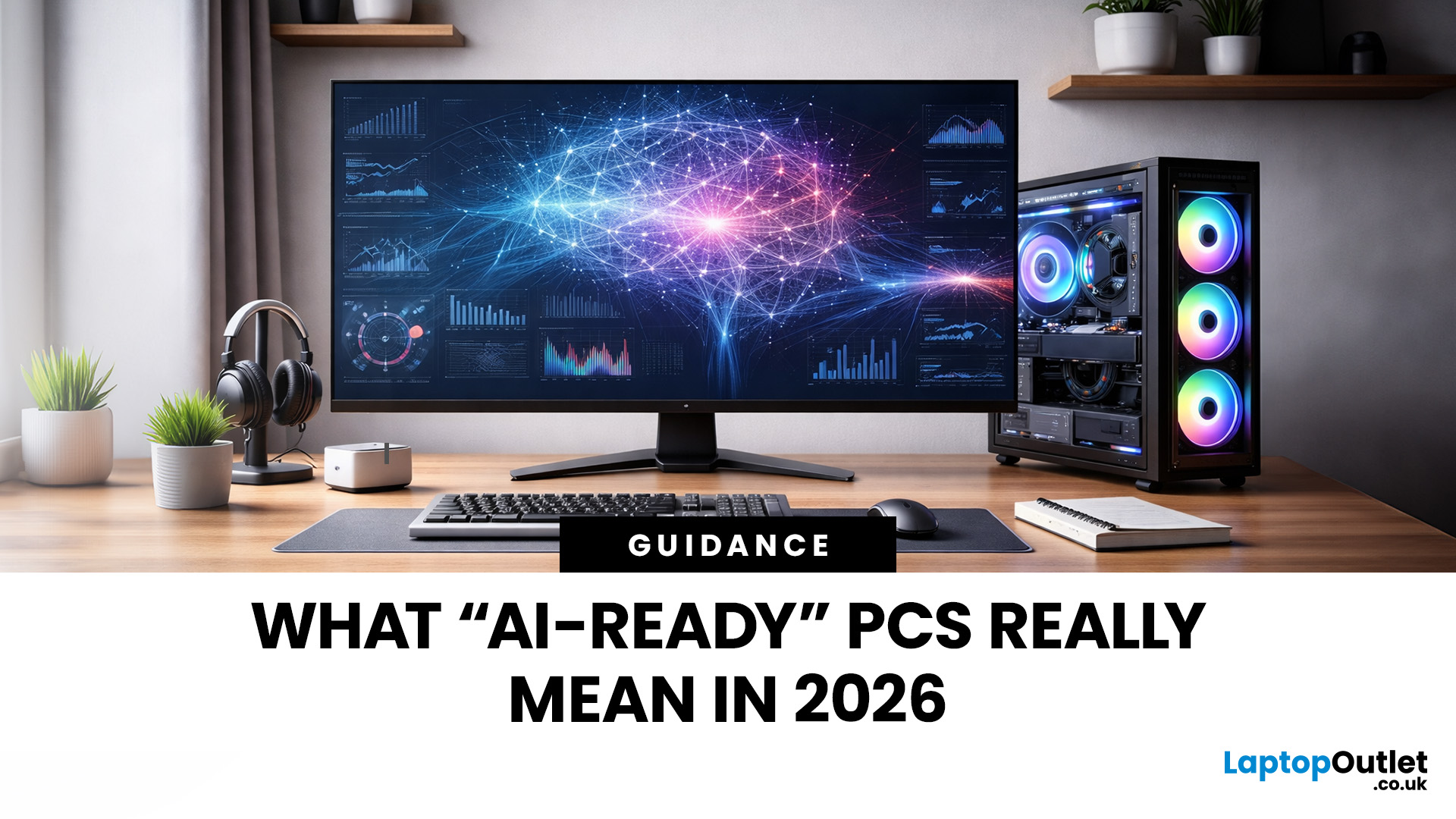
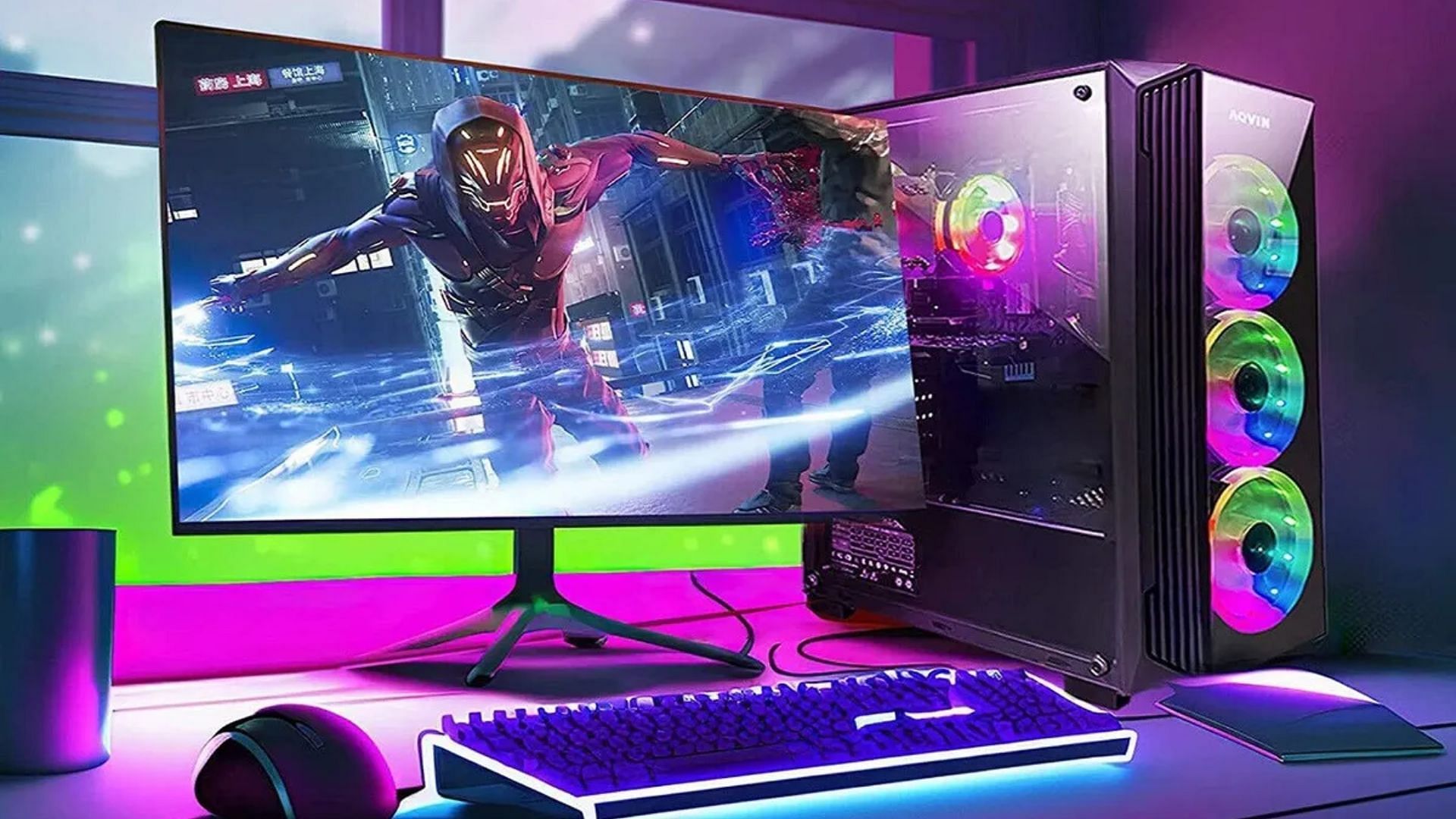


Top 10 Best Desktop Computers 2026 For Home Office And Work Lenovo Legion Tower 7i 2026 High Performance Desktop Computer With RGB Lighting Featured In. Does Apple Studio Display Work With Windows PCs AI Ready Desktop PCs Main . Good Cheap PC Is It Real For You 8ca85 1920 . Gaming Desktop PC Guide 2026 Build The Ultimate Gaming Setup 2 2 3 . Why Desktop PC Prices Are Rising In 2026 And How To Still Get A Good Deal Intel CPU Gaming Desktop Main


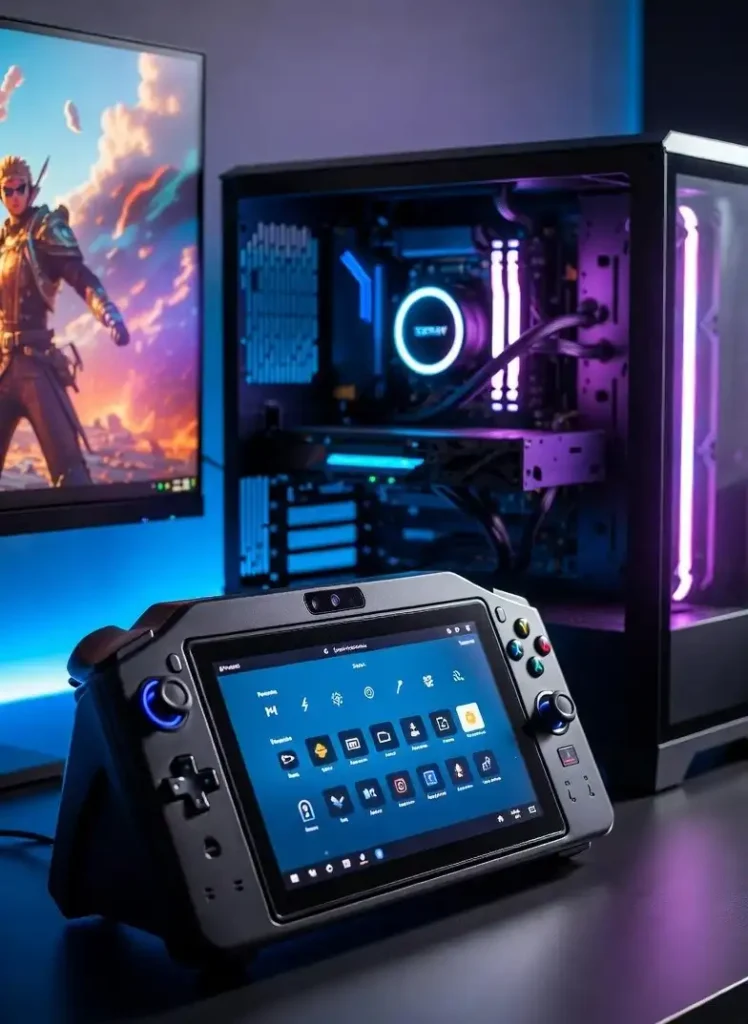

ASUS ROG Announce 2026 Desktops AiO In PH GadgetMatch Asus Rog 2026 Pc Aio Mini Tower Desktop Philippines 20260212 1000x600 . 8 Best Compact Gaming Desktops May 2026 Expert Picks Best Compact Gaming Desktops . High Tech Console Vs Gaming PC Which Gives Better Value In 2026 High Tech Console Vs Gaming PC 2. The Ultimate Guide To 2026 S Best Pre Built Desktop Computers Windows . 12 Best Gaming Desktops Under 3000 In 2026 Reviews Mill Top Gaming Desktops 2026 3cavh
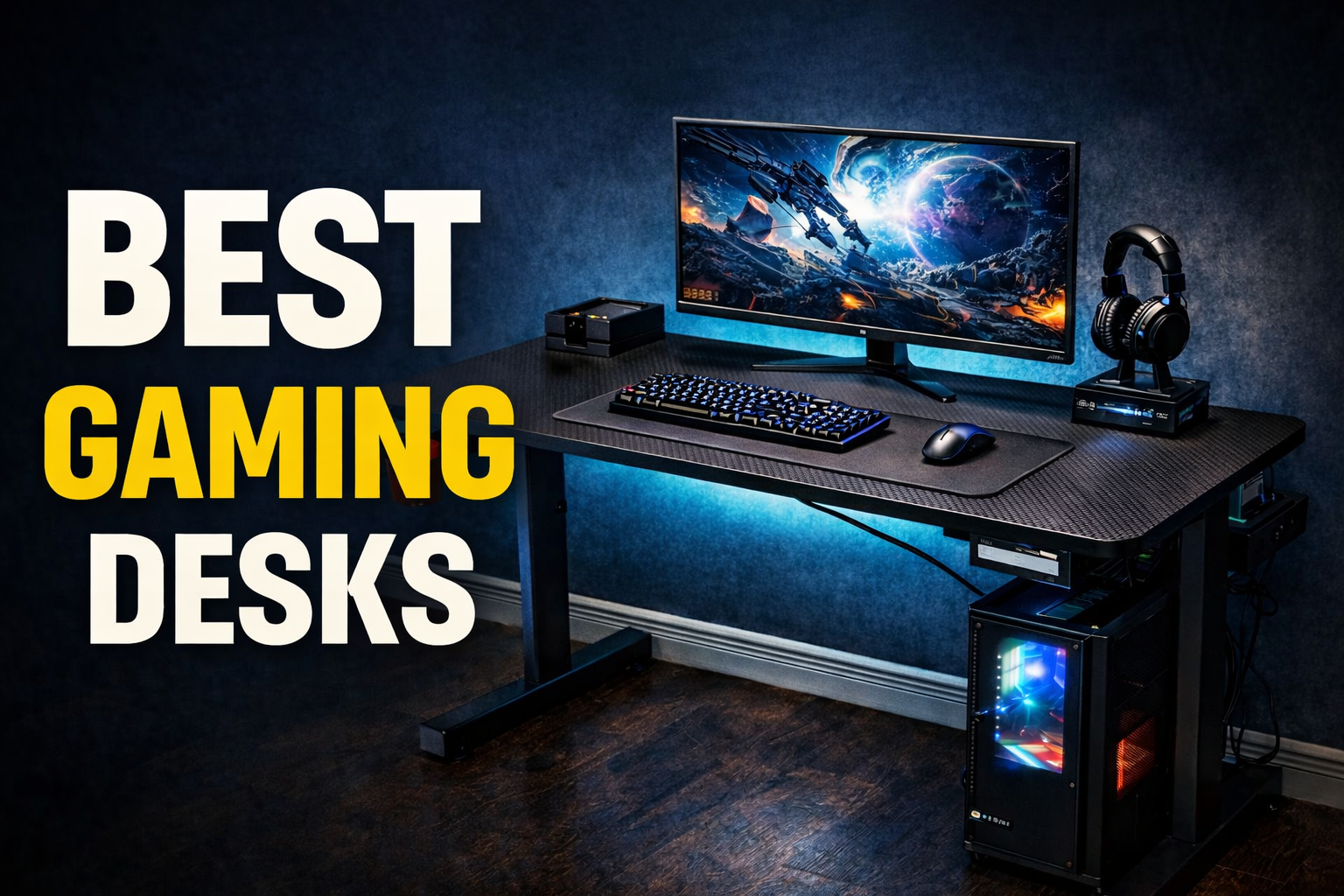


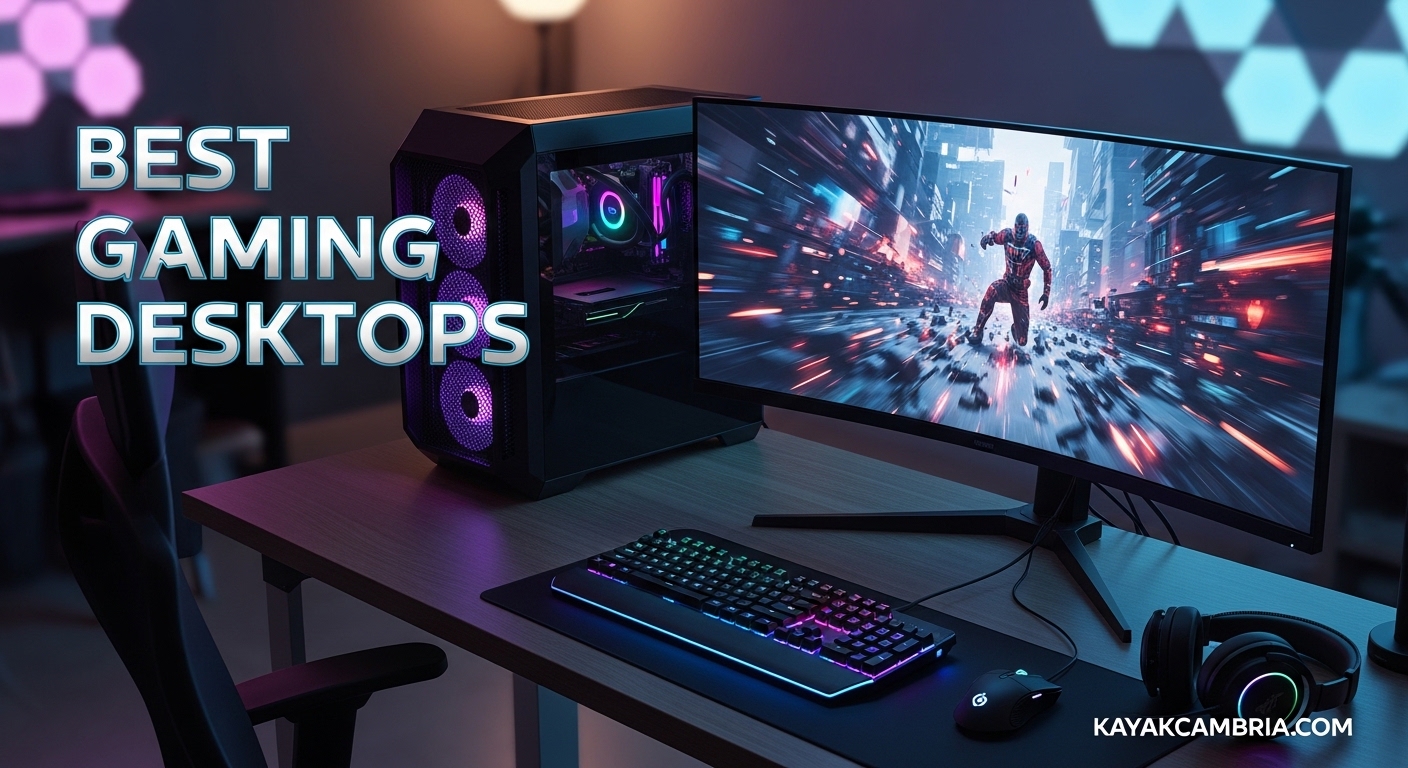

5 Best Computer Gaming Desks 2026 Buyer S Guide ChatGPT Image Jan 26 2026 09 53 35 PM . Best Gaming Computers In 2026 9meters Hpaq Kbcyhk 1536x1059 . Gaming Laptops Vs Desktops 2026 Are Laptops Finally Matching Desktop . 13 Best Gaming Desktops July 2026 Expert Reviews Best Gaming Desktops . Best Gaming Desktop For 600 Best Gaming Desktops
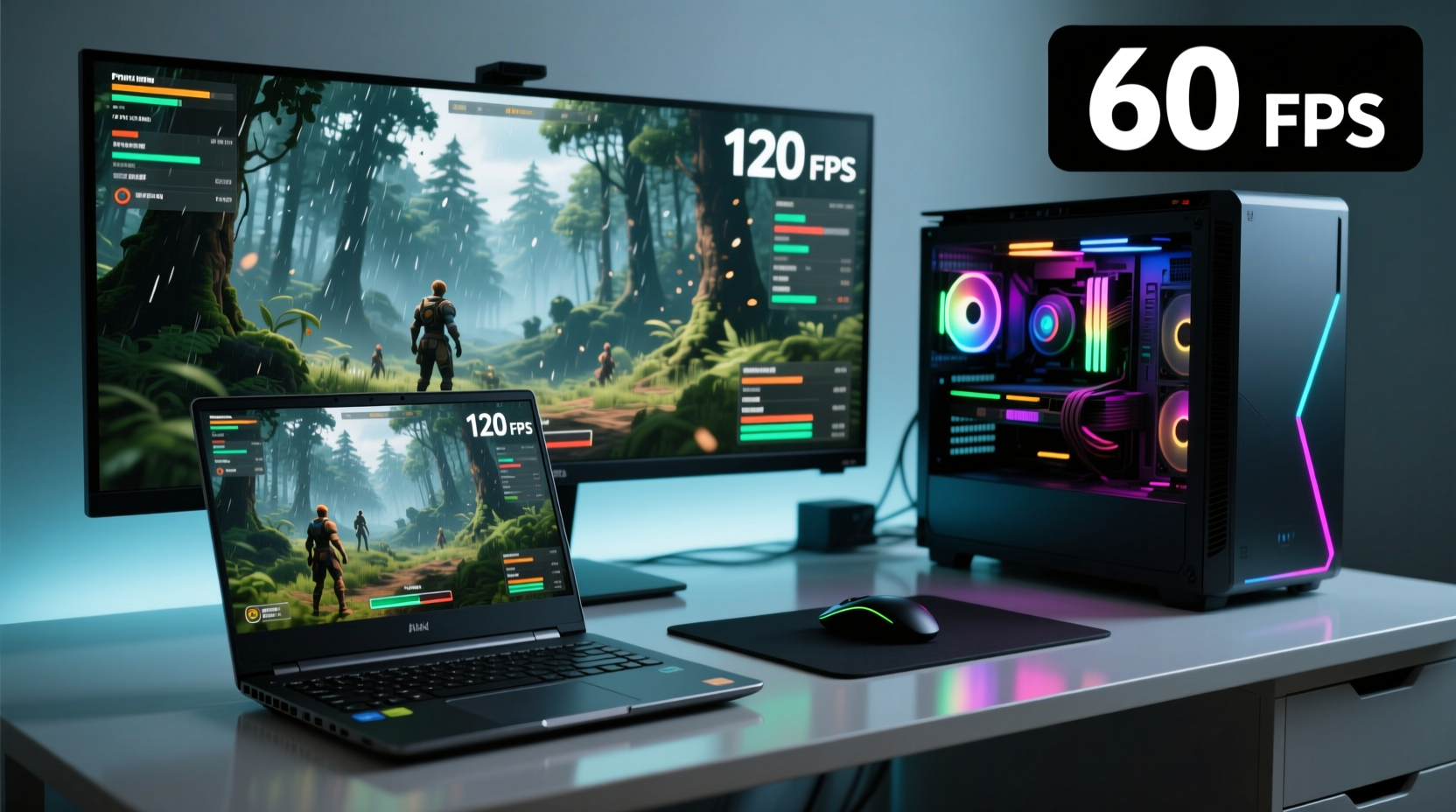

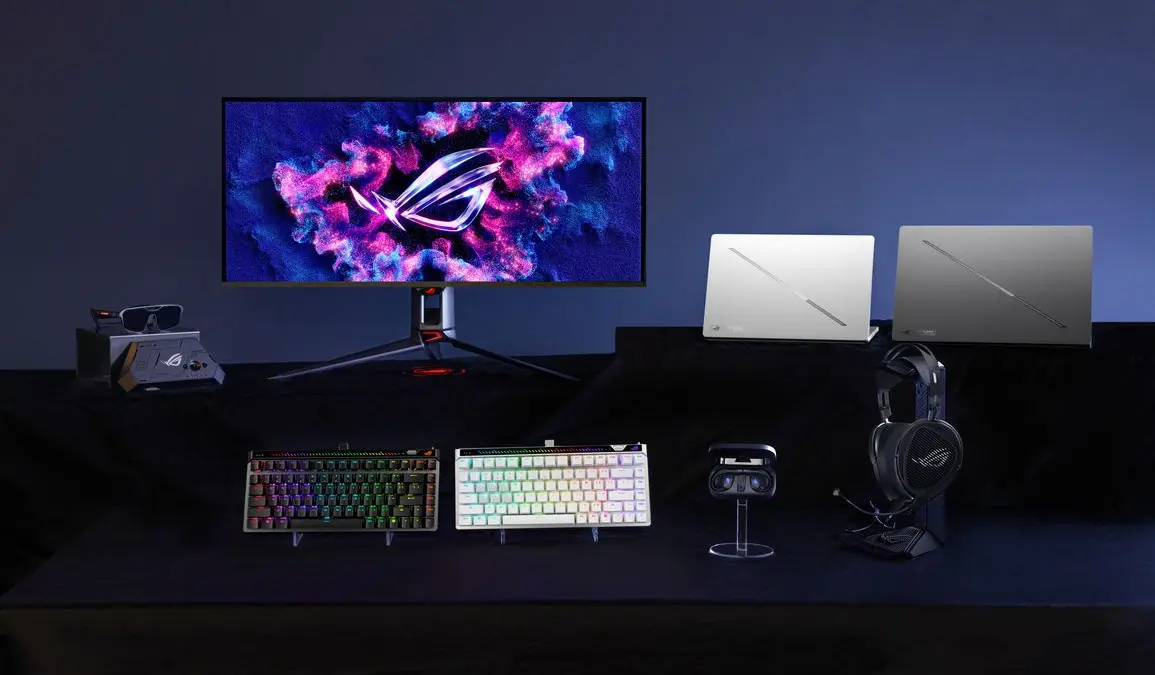

Gaming Laptop Vs Desktop Which Gives Better Frame Rates For Open World . Best Prebuilt Gaming PC 2026 For Esports AAA And Streaming Gamer Org A Sleek Youtube Thumbnail Design With Bo Z5fskbADS9 PZy23Rqs Zg NA9Dn G . ASUS ROG CES 2026 Dual Screen Laptops Holographic Desktops And 20 Asus Rog Ces 2026 20 Years Of Gaming Innovation. Console Vs PC Gaming 2026 Which Is Better For You Console Vs PC Gaming Showdown 2026 . Mini Gaming PCs Vs Desktops Which Is The Better Investment Mini Gaming PCs Vs


Why Desktop PC Prices Are Rising In 2026 And How To Still Get A Good Deal Best Gaming Desktop PC 2025 Main . Unveiling The BEST Desktop Computers For 2026 YouTube . 13 Best Desktop PC For Gaming In 2026 RottenPanda Top Gaming Desktop Picks O3bya . Top 10 Best Gaming Desktop In 2026 Generated Feat 3 . Best Gaming PCs To Buy In 2026 Top Prebuilt Gaming Desktops Ranked

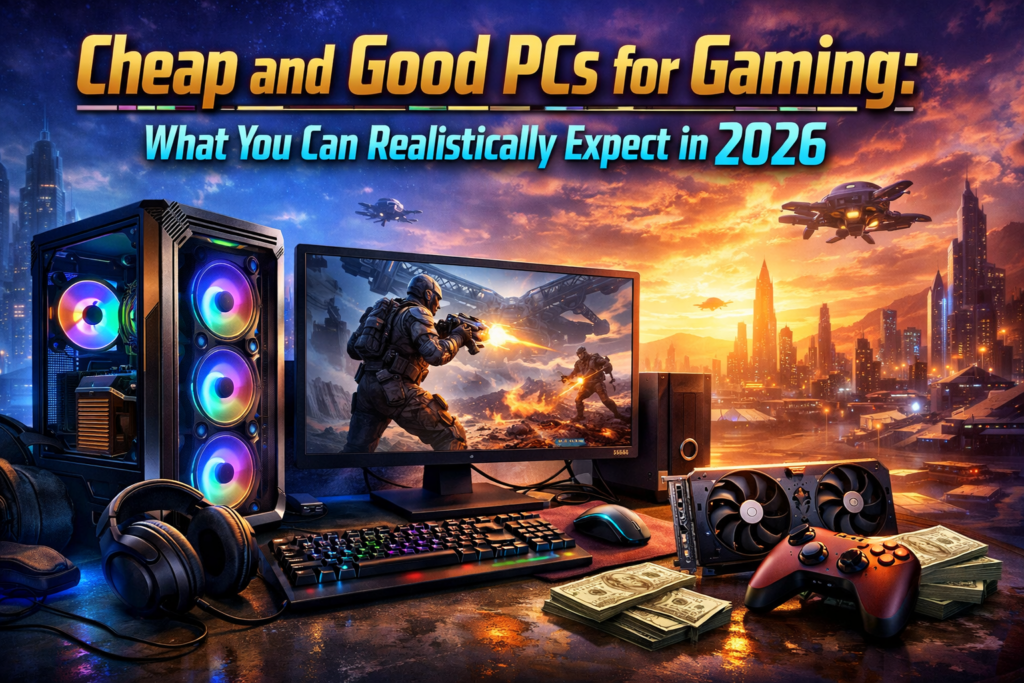

How To Choose A Gaming Computer In 2026 Tips And How To Choose A Computer 2026 Banner . 8 Best Portable Gaming Desktops For LAN Parties April 2026 Complete Guide Best Portable Gaming Desktops For LAN Parties . Cheap And Good PCs For Gaming What You Can Expect In Image 1024x683 . The Best SSD For The Steam Deck Xbox ROG Ally And Ally X In 2026 . Best Gaming Pc I The World At Manuel Hatchett Blog

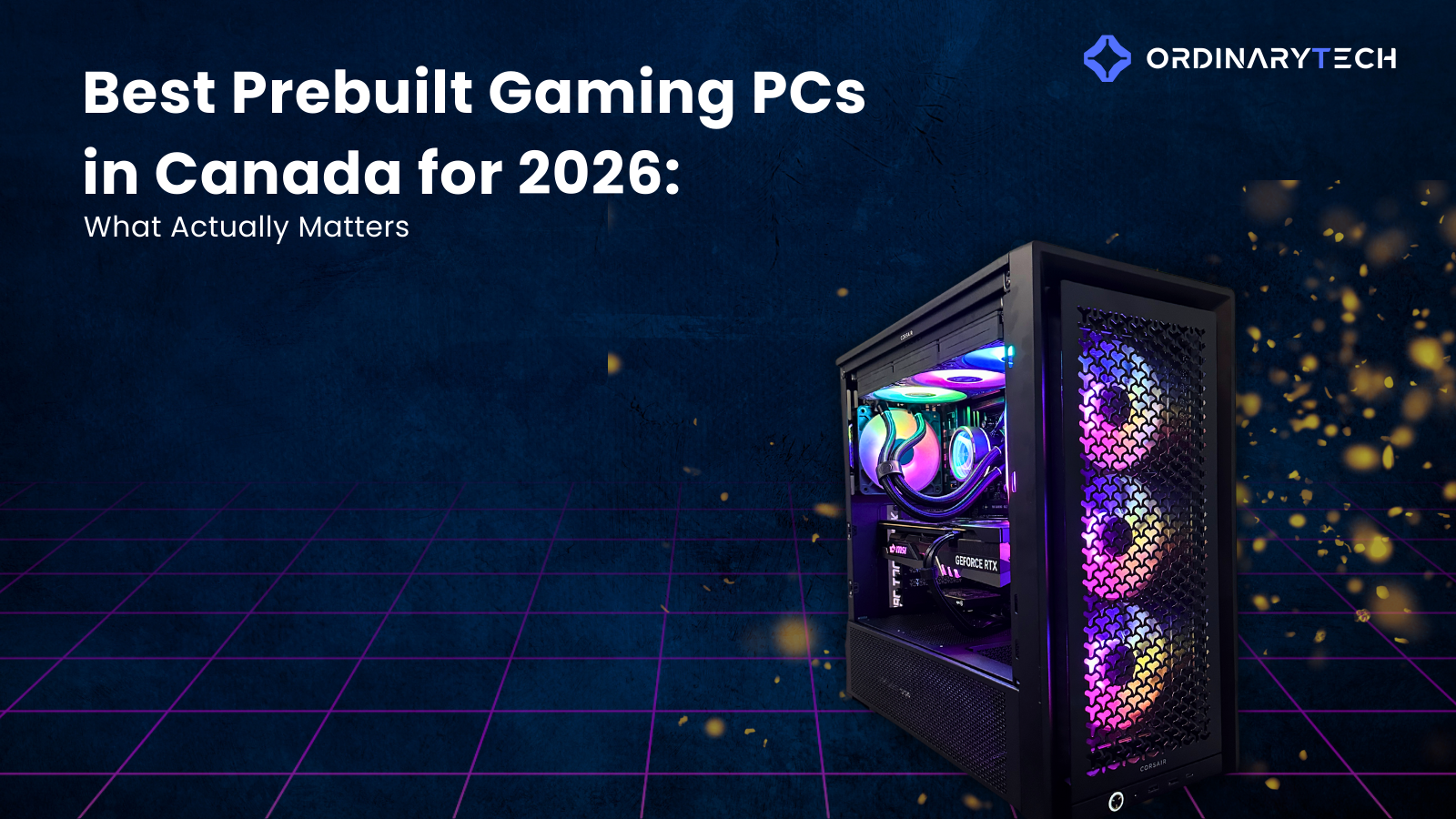

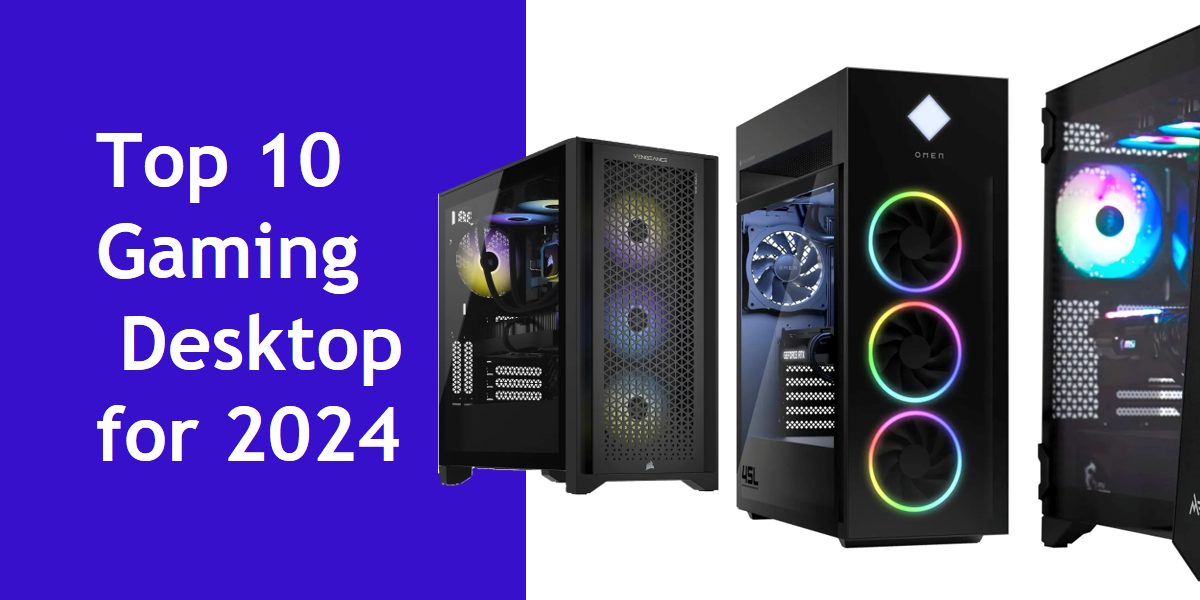
Best Gaming PCs Of 2026 Top 10 Updated Gaming Desktops Best Gaming Computers 2026 5 . How To Choose The Right Gaming PC In 2026 Complete Guide Complete Guide 1200x675 . Best PC Gaming Computers In Canada In 2026 What To Know Before You Bu Best Prebuilt Gaming PCs In Canada For 2026 What Actually Matters . TOP 100 Upcoming Games Of 2026 PC PS5 Xbox HOTTEST Games Featured . Top 10 Gaming Desktops For 2024 Tech With Eldad Top 10 Gaming Desktop For 2024 Best Review